
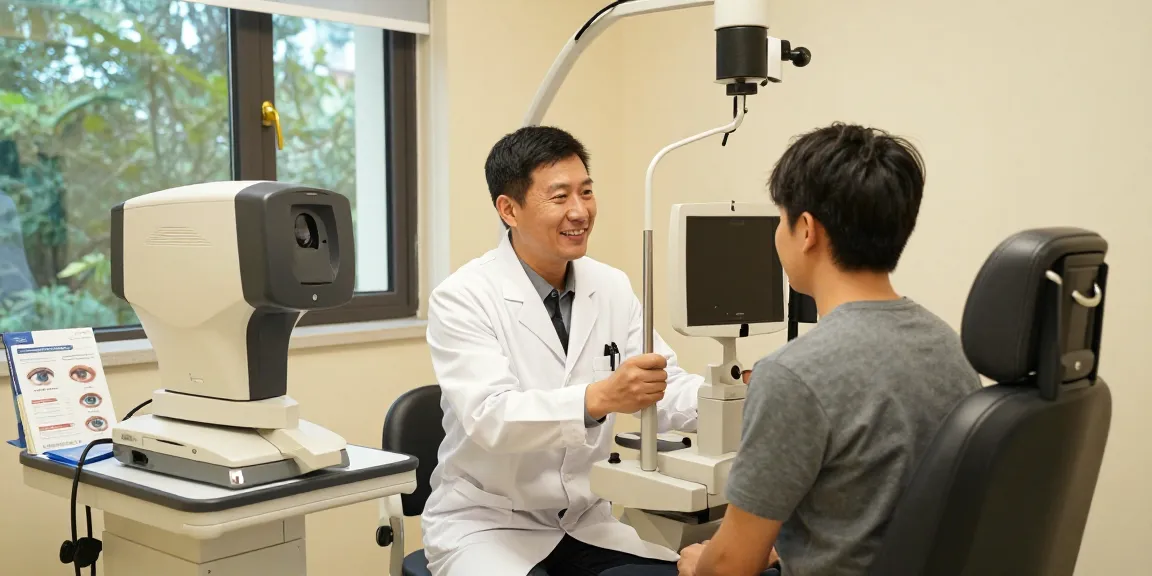
Understanding LASIK Surgery and Its Benefits
LASIK, or Laser-Assisted In Situ Keratomileusis, has emerged as one of the most popular eye surgeries for correcting vision issues. This minimally invasive procedure utilizes advanced laser technology to reshape the cornea, allowing light to enter the eye more effectively and improving vision clarity. For individuals struggling with refractive errors such as myopia, hyperopia, and astigmatism, LASIK offers a remarkable alternative to glasses and contact lenses. At SNU Eye Clinic, we specialize in providing exceptional LASIK services backed by years of expertise and advanced surgical techniques.
What is LASIK and How Does It Work?
During a LASIK procedure, a thin flap is created in the cornea using a precise laser. This flap is then lifted, and a second laser reshapes the underlying cornea to correct the refractive error. After reshaping, the flap is placed back into position where it adheres without the need for stitches. This quick outpatient procedure is well-regarded for its speed and effectiveness, often allowing patients to experience improved vision within a day.
Key Advantages of LASIK for Vision Correction
LASIK surgery comes with a myriad of benefits. These include:
- Quick Recovery Time: Many patients notice significant vision improvement within 24 hours.
- Painless Procedure: Most patients report minimal discomfort during the surgery.
- Long-Lasting Results: LASIK provides a permanent solution to refractive vision problems.
- Customized Treatment: LASIK technology allows for individualized treatment plans to address specific vision issues.
Who is an Ideal Candidate for LASIK?
Not everyone is a perfect candidate for LASIK. Ideal candidates typically include those who:
- Are at least 18 years old and have had a stable vision prescription for at least two years.
- Do not have any serious eye conditions, such as glaucoma or cataracts.
- Are in good overall health and do not have autoimmune diseases.
- Understand the risks and benefits of the procedure.
Essential Pre-Surgery Considerations
Choosing to undergo LASIK surgery is a significant decision that necessitates thorough preparation. Understanding 라식 전 주의사항 will help ensure you approach your procedure with confidence and readiness. Individuals should be informed about various aspects of the surgery, including necessary lifestyle adjustments and pre-operative evaluations.
Understanding 라식 전 주의사항: What to Know Before Your Procedure
Prior to undergoing LASIK, there are essential considerations to keep in mind:
- Avoid Contact Lenses: Stop wearing contact lenses at least two weeks before your consultation and surgery as they can alter the shape of your cornea.
- Medical History Review: Your eye doctor will need a comprehensive understanding of your medical history to assess your candidacy for LASIK.
- Bring Eyewear: Have a pair of glasses handy as you will not be able to wear contact lenses during preparation for surgery.
Medical History and Consultation: Key Factors
Your medical history is crucial in determining if LASIK is right for you. During the consultation, be prepared to discuss:
- Your current vision prescription and any previous surgeries.
- Any history of eye diseases within your family.
- Current medications and their potential effects on healing.
Preparing for Your LASIK Surgery Day
On the day of your LASIK surgery, following specific instructions can help streamline the process:
- Arrive Early: Arrive at the clinic early to complete necessary paperwork and relax before the procedure.
- Have a Designated Driver: Ensure someone is available to drive you home after the surgery.
- Dress Comfortably: Wear comfortable clothing and avoid any cosmetics or lotions around the eye area.
Common Misconceptions About LASIK
Despite its popularity, several misconceptions linger about LASIK. Clarifying these misunderstandings can help potential candidates make informed decisions.
Debunking Myths Surrounding LASIK Safety
Many individuals believe LASIK is not safe, but extensive studies have shown that LASIK has a high safety record. It is crucial to consult with an experienced eye care professional, as they can provide insights into the procedure’s efficacy and risks.
Understanding Real Risks and Patient Expectations
While LASIK is safe, like any surgery, it carries potential risks. These may include:
- Dry eyes
- Night vision problems
- Under or over-correction of vision
Patients should have realistic expectations about the results and discuss potential outcomes with their surgeon.
Comparing LASIK with Other Vision Correction Options
LASIK is not the only option for vision correction. Alternatives include:
- Contact lenses
- Glasses
- PRK (Photorefractive Keratectomy)
- ICL (Implantable Collamer Lens)
Each option has unique advantages and drawbacks, which should be thoroughly discussed during your consultation.
Post-Surgery Care and Follow-Up
After your LASIK surgery, specific care steps are vital for a smooth recovery process. Adhering to these guidelines will help maximize your results.
Immediate Care Instructions After LASIK
Upon completing your LASIK procedure, immediate care instructions will include:
- Avoiding rubbing your eyes.
- Using prescribed eye drops to keep your eyes moist and prevent infection.
- Avoiding swimming pools, hot tubs, and saunas for a specified period.
Long-Term Eye Health and Monitoring
Long-term eye health is crucial post-LASIK. Regular check-ups will help monitor your vision and ensure your eyes remain healthy. These visits are essential for addressing any emerging concerns.
Scheduling Follow-Up Appointments: What to Expect
Your surgeon will schedule follow-up appointments to assess your recovery progress. During these visits, your vision will be tested, and any necessary adjustments to your treatment can be discussed.
Future Trends in Eye Care: Looking Ahead to 2026
The field of eye care is constantly evolving. As we look toward 2026, several innovations and trends are shaping the future of LASIK and vision correction.
Innovations in LASIK Technology and Techniques
Technology continues to advance, leading to more precise LASIK procedures. Innovations such as:
- Wavefront technology for personalized treatment.
- Femtosecond lasers for enhanced accuracy.
- Robotic surgery assistance for improved precision.
These advancements promise to make LASIK safer and more effective.
Emerging Alternatives for Vision Correction
As LASIK technology progresses, newer alternatives are becoming available. Options like the ICL (Implantable Collamer Lens) are gaining attention for their ability to provide vision correction in patients who may not be ideal LASIK candidates.
Patient-Centric Approaches in Eye Care
The future of eye care also emphasizes personalized, patient-centric approaches. This includes tailored treatment plans based on comprehensive patient evaluations and preferences.
What are the common risks of LASIK?
Common risks associated with LASIK include dry eyes, night vision disturbances, and potential over or under-correction of vision. Discussing these risks with your surgeon can help manage expectations.
How can I prepare for my LASIK consultation?
Preparing for your LASIK consultation involves gathering your medical history, knowing your vision prescription, and being ready to discuss your concerns and expectations regarding the surgery.
What should I do to ensure a smooth recovery after LASIK?
To ensure a smooth recovery, follow your doctor’s post-operative instructions, attend all follow-up appointments, and avoid strenuous activities for a period as recommended.
Are there any age restrictions for LASIK surgery?
Typically, LASIK is recommended for individuals over the age of 18 as the eyes continue to change in structure until then. However, specific age guidelines may vary based on individual situations.
What advancements can we expect in LASIK technology by 2026?
By 2026, we can expect further technological advancements in LASIK procedures, including improved accuracy through AI integration and enhanced safety measures to minimize risks.


