
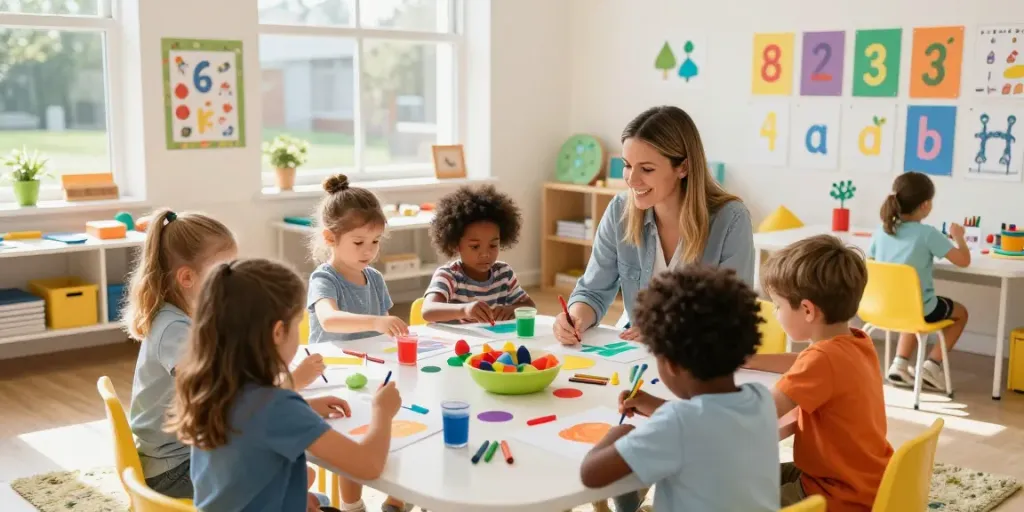
Understanding the Importance of Choosing the Right Preschool
Choosing the right preschool is a critical decision for parents that can have a lasting impact on their child’s educational journey. With the increasing emphasis on early childhood education, parents are more informed than ever about what to look for in preschool environments. This decision goes beyond mere convenience; it is about finding a nurturing environment that aligns with their educational values and their child’s developmental needs. https://podarprep.com/locations offers a detailed overview of various preschool options that cater to diverse needs and preferences, ensuring that parents can make informed choices.
What Parents Look for in Preschools Today
Modern parents seek preschools that provide a well-rounded foundation for their children. Key factors include:
- Curriculum Quality: Parents often prioritize schools with accredited curriculums that promote cognitive, social, and emotional development.
- Teacher Qualifications: Highly qualified teachers who are trained in early childhood education are a top priority for parents looking for a safe and enriching environment.
- Location and Accessibility: Proximity to home or work can significantly influence preschool choices, making it essential for parents to consider how location impacts their daily logistics.
- Facilities and Resources: Parents also look for facilities equipped with age-appropriate toys, learning materials, and safe outdoor spaces that promote exploration and play.
Key Benefits of Early Childhood Education at https://podarprep.com/locations
Participating in early childhood education provides numerous advantages that set the stage for lifelong learning. Notable benefits include:
- Enhanced Social Skills: Children learn to interact with peers and develop crucial social competencies that help them build relationships.
- Improved Academic Performance: Research shows that children who attend high-quality preschools tend to outperform their peers in elementary school.
- Increased Confidence: A supportive preschool environment fosters self-esteem and independence, as children master new skills through guided play.
- Preparation for Formal Education: Early education helps children transition smoothly into kindergarten, where they are expected to have foundational knowledge and social skills.
Understanding Different Preschool Models and Curriculums
Not all preschools offer the same educational approach. Parents should familiarize themselves with various preschool models, including:
- Montessori: This model focuses on child-led learning through hands-on activities, allowing children to explore subjects that interest them at their own pace.
- Reggio Emilia: Emphasizing community and self-exploration, this method encourages children to express themselves creatively through various mediums.
- Play-Based Learning: This approach prioritizes play as a primary method for learning, allowing children to develop cognitive and social skills through imaginative activities.
- Traditional: Often structured and teacher-led, traditional preschools focus on preparing children for the academic rigors of kindergarten.
The Role of Location in Preschool Selection
The location of a preschool can significantly impact parents' decisions, often determining the convenience and accessibility of the school. A preschool that is close to home allows for easier pick-up and drop-off, which can be crucial for busy families.
How Proximity Affects Parental Choices
Parents often consider the distance to a preschool as a critical factor in their selection process. Proximity can influence various aspects, including:
- Commute Time: Shorter travel times can reduce stress for parents and children, making mornings smoother and less rushed.
- Community Connections: Schools within the local community may lead to stronger relationships among families, fostering a sense of belonging and support.
Evaluating Preschools Near You: What to Consider
When evaluating nearby preschools, parents should consider the following:
- Reputation: Researching reviews and testimonials can provide insights into the experiences of other parents and children.
- Visit and Observe: Touring the facilities and observing classrooms can help parents assess the learning environment and teaching styles.
- Program Offerings: Ensuring the preschool offers programs that align with the child's interests and developmental needs is vital for a positive experience.
Benefits of Local Community Engagement at https://podarprep.com/locations
Engaging with local community preschools often leads to enhanced educational outcomes. Community-focused schools can provide parents with:
- Networking Opportunities: Meeting other parents can lead to friendships, support systems, and mutual child-care arrangements.
- Access to Local Resources: Local preschools often have connections with community organizations, ensuring that families have access to additional support services.
- Involvement in School Activities: Being close to the school can facilitate parent participation in events, enriching the educational experience.
Curriculum and Learning Environment
The curriculum and learning environment set the tone for a child's educational experience. Parents should understand what makes an effective preschool curriculum and environment.
Innovative Approaches in Early Childhood Education
Preschools are increasingly adopting innovative methods to enhance learning outcomes. Some of these approaches include:
- Project-Based Learning: Allowing children to engage in projects that relate to their interests, fostering deeper engagement and understanding.
- STEM Education: Incorporating science, technology, engineering, and math in age-appropriate ways helps children develop critical thinking and problem-solving skills.
Why Holistic Learning Matters for Young Minds
Holistic learning addresses the development of the whole child—intellectually, socially, emotionally, and physically. This comprehensive approach is crucial because:
- Supports Emotional Growth: Programs that incorporate social-emotional learning help children manage their feelings and develop resilience.
- Encourages Physical Activity: Regular physical play is essential for healthy development, helping children build coordination and confidence.
Integrating Technology in Preschools: What Parents Should Know
With the rise of digital tools, many preschools are integrating technology into their curriculums. Parents should be aware of both the advantages and potential drawbacks, such as:
- Enhancing Learning: Interactive tools and educational apps can make learning more engaging and foster new skills.
- Screen Time Management: Ensuring that technology use is balanced with physical activity and face-to-face interactions is crucial for healthy development.
Best Practices for Selecting a Preschool
Selecting the right preschool involves careful consideration and planning. Parents must equip themselves with the right questions and strategies during their evaluation process.
Key Questions to Ask During Tours
When touring potential preschools, parents should pose key questions to gauge the quality of education and care. Some essential questions include:
- What is the teacher-to-student ratio? A lower ratio often indicates more personalized attention for children.
- What qualifications do the teachers hold? Ensuring teachers are trained in early childhood education is vital for effective learning.
Assessing Teacher Qualifications and Student Interaction
Teachers play a pivotal role in preschool education. Observing how they interact with students can provide insights into the learning environment. Look for signs of:
- Positive Reinforcement: Focus on how teachers encourage and motivate students during learning activities.
- Engagement Levels: A classroom where children are actively participating and excited indicates a supportive learning atmosphere.
Creating a Checklist for Evaluating Preschools at https://podarprep.com/locations
Developing a checklist can streamline the evaluation process, allowing parents to compare different schools effectively. Key factors to include are:
- Curriculum details and educational philosophy
- Facility condition and safety measures
- Parent engagement opportunities
Future Trends in Preschool Education
The preschool landscape is continuously evolving. As we look ahead to 2026 and beyond, several trends are emerging that will shape early childhood education.
What to Expect in 2026 and Beyond
Future preschools will likely adopt more personalized learning approaches, capitalizing on data to tailor educational experiences to individual needs. Additionally:
- Increased Emphasis on Mental Health: Integrating mental health resources into preschool settings will become a priority to support children's emotional well-being.
- Focus on Global Citizenship: Programs will increasingly promote awareness of diversity and global issues, preparing children to thrive in a multicultural world.
Emerging Technologies Influencing Preschool Education
Technology will play an increasingly important role in preschool education. Key trends include:
- Artificial Intelligence: AI tools may assist teachers in delivering personalized learning experiences and tracking progress.
- Virtual Reality: VR can provide immersive, experiential learning opportunities that foster understanding of complex concepts.
How Community Involvement Shapes Educational Practices
Community engagement will continue to influence preschool practices. Schools that actively involve families and local organizations can create richer educational experiences, such as:
- Collaborative Programs: Partnerships with local libraries and museums can enhance learning opportunities through field trips and workshops.
- Resource Sharing: Communities that come together can provide families with support networks and access to additional educational resources.
What should I consider while selecting a preschool?
Consider your child's unique learning style, social needs, and developmental readiness when selecting a preschool. Align your choices with your educational values and the environment that will best support your child's growth.
How does location influence preschool choices?
Location affects accessibility, convenience, and community involvement. A nearby preschool allows for easier logistics and fosters relationships among local families.
What are the benefits of early childhood education?
Early childhood education fosters social skills, enhances academic performance, and builds confidence, laying the foundation for future learning and success.
What innovative teaching methods are being adopted?
Preschools are embracing project-based learning, STEM programs, and holistic approaches to facilitate engagement and promote overall growth.
How can parents evaluate a preschool's curriculum?
Parents should look for accreditations, teaching philosophies, and the effectiveness of the approach through classroom observations and feedback from other parents.